Winter grooming in the city takes on a new level of importance, even in regions where the climate is considered mild. The air becomes noticeably drier, temperature shifts feel sharper, and air conditioners operate more frequently than usual. These small environmental changes create a big impact on a pet’s well-being. In Dubai, the skin may respond with itching and tightness, and the coat can lose its natural shine and elasticity. Consistent care, the right choice of products, and regular grooming routines make all the difference. A pet’s comfort is built from small details—details that are easy to miss in everyday life.
Wool and Skin: Combing, Moisturizing, Bathing
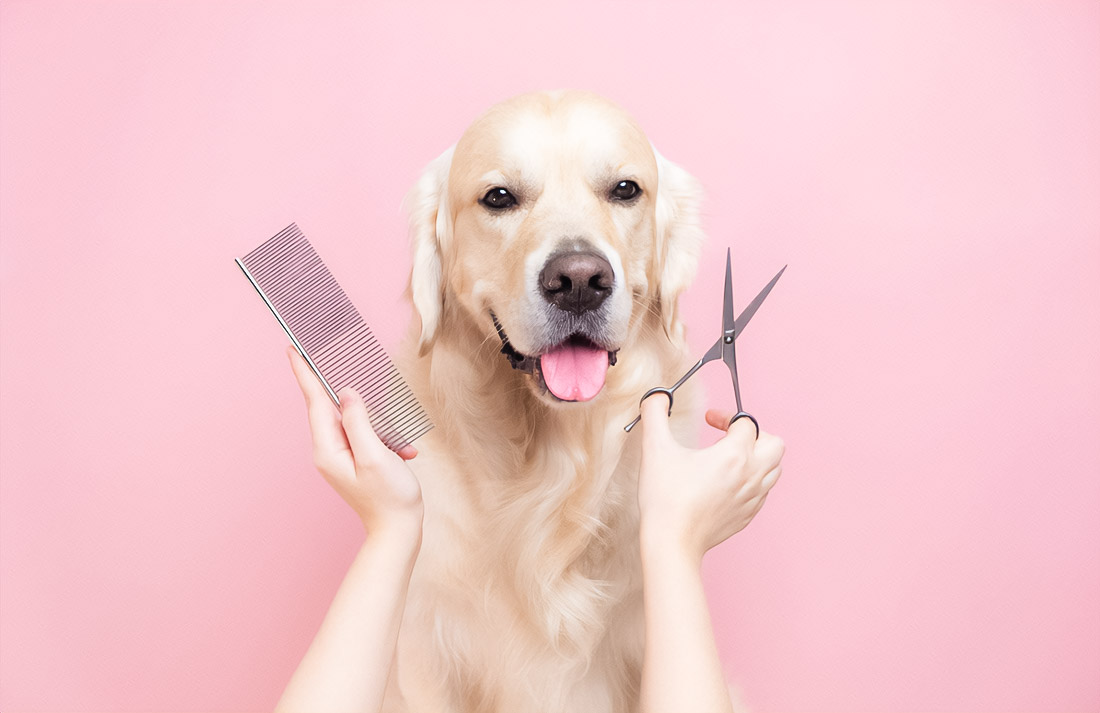
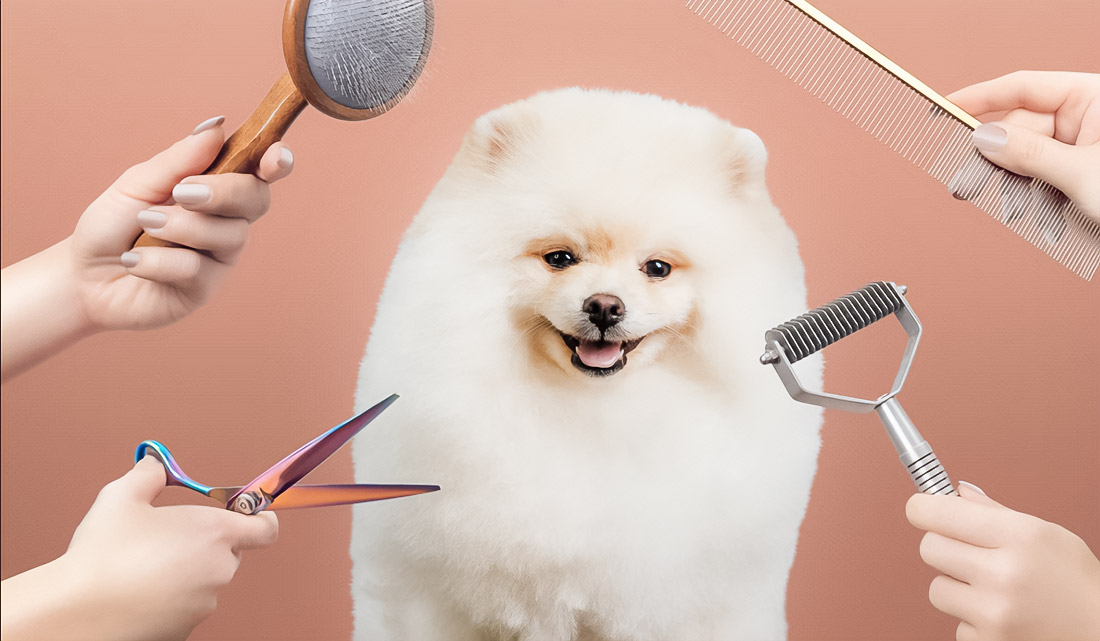
Start by brushing regularly several times a week. Combining distributes natural oils and improves ventilation of the coat. Longhair and double undercoats benefit from a slicker and comb for combing. Stubble brushes or rubber mittens are suitable for shorthair. Work gently, as the skin is more sensitive in winter. Do not cut tangles at random, use demounting tools or the help of a groomer.
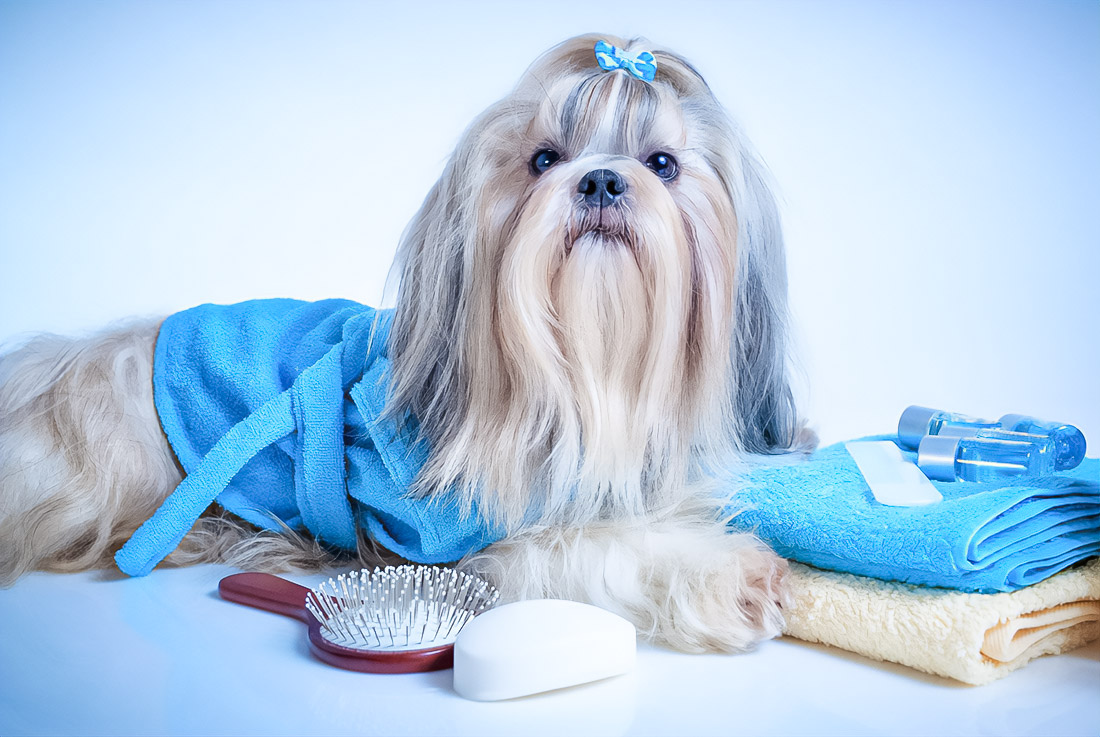
Bathe less often, but systematically and consciously. Moderately warm water and a short procedure are optimal. After bathing, dry thoroughly with a towel and a cool blow dryer. Go outside only after complete drying. This reduces the risk of hypothermia even in mild winters. Use dry shampoo or wipes between baths. For washing, choose sulfate-free moisturizing formulas with oatmeal, aloe, and vitamin E. Conditioner helps to maintain the lipid barrier and elasticity of the hair. A humidifier will simplify the task and reduce seasonal dryness of the skin, especially when using mobile pet grooming dubai services that ensure comfort without leaving home.
Paws, Ears and Claws: Protection and Hygiene
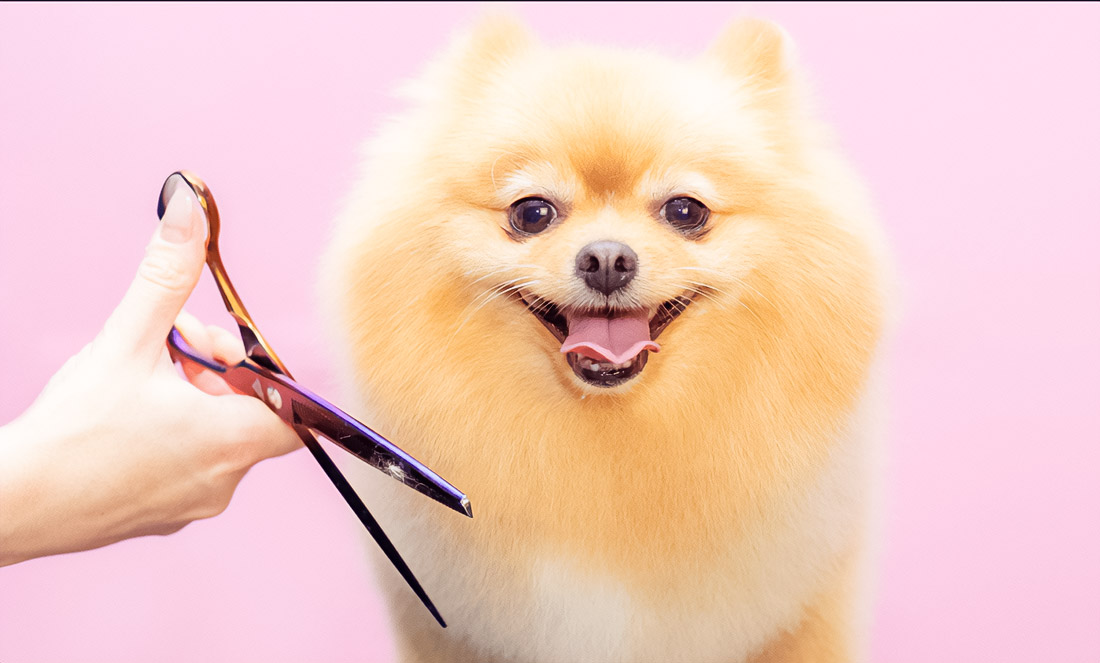
The pads of the paws easily dry out and crack in winter. Apply a protective balm or wax before walking. After walking, wipe your paws and check the interdigital spaces. If necessary, carefully shorten the wool between the pads. Work carefully and do not cut too close to the skin.
Ears require routine hygiene and monitoring. Moisture and heat increase the risk of yeast and bacterial complications. Clean the auricle with a mild veterinary solution. Use cotton pads and do not go deep into the canal. After bathing, dry your ears until they are completely dry. Watch out for odor, redness, and frequent scratching. Early intervention prevents unpleasant consequences.
Control the claws by the sound on the floor. Clicks mean it’s time to trim. Overgrown claws change the position of limbs and gait. The risk of cracks and delaminations is increasing. Get a little haircut or entrust the procedure to a specialist.
Hydration, Nutrition and Home Comfort
Even in winter, maintain stable hydration. Place several bowls of water and use the fountain if the pet drinks little. Dry air and air conditioning increase dehydration. Adjust your diet for the season and activity. Discuss the addition of omega fatty acids with your veterinarian. Such additives support the skin and improve the structure of the coat. Watch your weight and portions without fanaticism.
Arrange a sleeping place away from drafts and cold tiles. Raised beds, warm blankets and breathable materials help. In the cool mornings, a lightweight sweater for sensitive and small breeds is useful. Maintain moderate humidity and mild ventilation at home. Sudden cold air currents should be avoided.
Plan your visits to the groomer in advance. An interval of four to six weeks is often suitable for dogs. Cats usually last six to eight weeks. Keep basic hygiene between visits. Comb, inspect the skin, protect the paws, control the ears and claws.
If the temperature rises above forty degrees in summer, postpone activity to the early morning and evening. In winter, the focus shifts to moisturizing and gentle treatments. This balance keeps the skin calm, the coat manageable and the pet confident in any season.